




The Harsh Reality: Inflation’s Silent Attack on Our Wallets
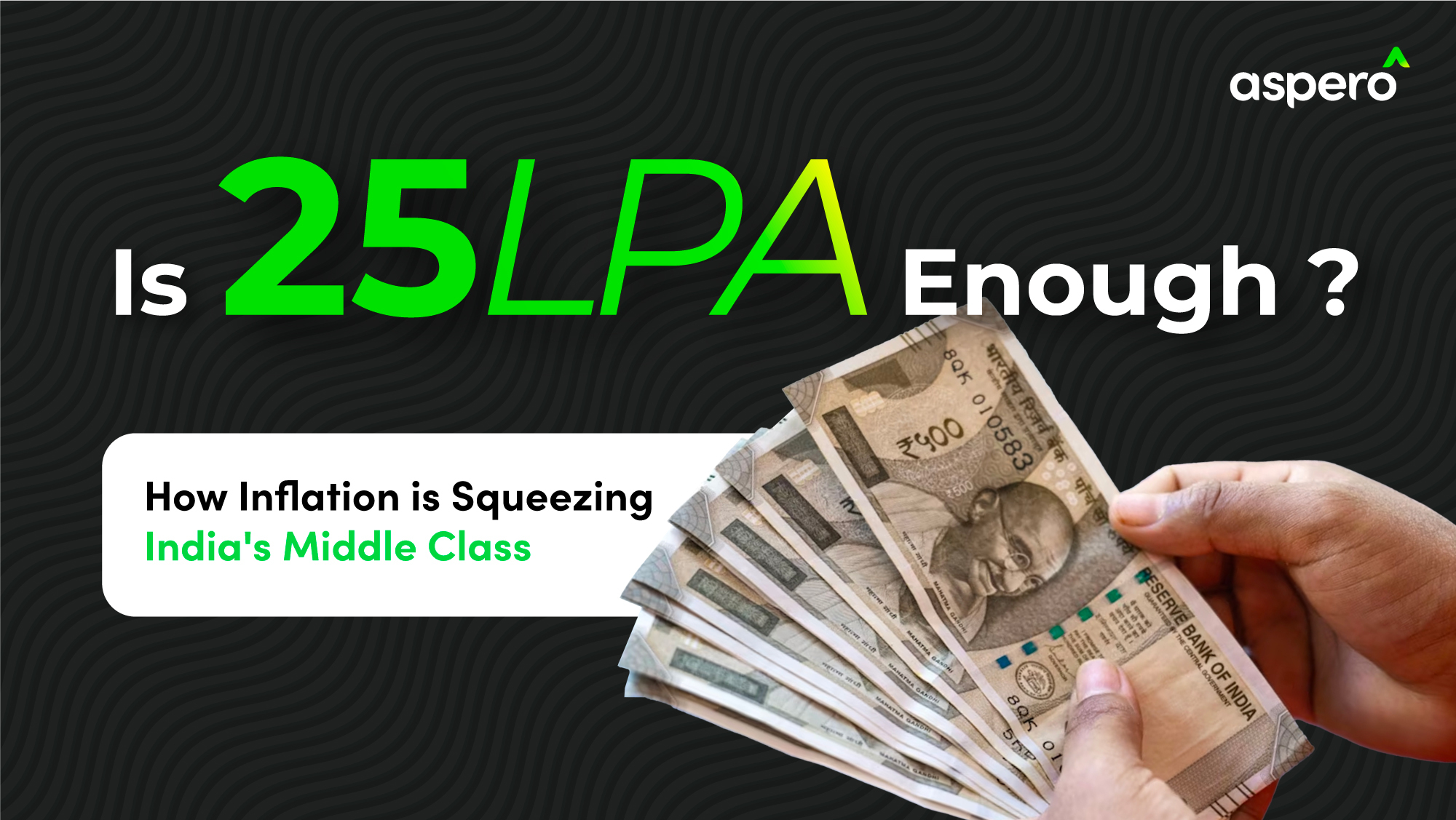
Imagine this: You walk into your favorite grocery store in Mumbai, Delhi, or Bangalore, thinking about how far a ₹500 note could take you just a decade ago. Back then, it was enough to fill your basket with daily essentials—rice, vegetables, maybe even a little treat like chocolate or a magazine. But today, as you hold that same ₹500 note, it feels like it has shrunk. The basket is lighter, and so is your wallet. What happened?
The answer is inflation, measured by the Consumer Price Index (CPI). Over the years, inflation has quietly but steadily eroded the purchasing power of our money. What could once be bought with ₹500 now costs significantly more, and the situation is even worse for those managing household budgets on fixed salaries.
Consumer Price Index (CPI) in Urban and Rural India from Financial year 2022 to 2024, by month
Consumer Price Index (CPI) in Urban and Rural India from Financial year 2022 to 2024
What is CPI? The Consumer Price Index (CPI) measures how much prices have gone up for the stuff you buy every day—groceries, clothes, rent, etc. It shows how expensive life is getting and how much your money’s worth is shrinking. CPI tells you how much more you’re paying today compared to yesterday.
What is WPI? The Wholesale Price Index (WPI) tracks the price hikes at the wholesale level before goods even reach you. It’s like a preview of what’s coming—if WPI goes up, you can bet CPI will follow, meaning higher prices in stores.
The Decade of Inflation
Over the past ten years, inflation has made life in metro cities like Mumbai and Delhi increasingly unaffordable. Here’s a quick look at how prices have surged:
India Inflation Rate (CPI) – Historical Data
India Inflation Rate (CPI) – Historical Data
Source: https://www.forbes.com/advisor/in/personal-finance/inflation-rate-in-india/
From 2013 to 2024, India’s inflation rate has shown significant fluctuations. In 2013, the inflation rate peaked at 10.02%, highlighting a period of economic strain where purchasing power was severely impacted. Fast forward to 2024, while the inflation rate moderated to 5.09% (as of February), the long-term trend reveals the challenge of inflation persists, particularly in metro cities.
Latest Inflation Update (August 2024) India’s retail inflation eased to 3.54% in July 2024, down from 5.08% in June. It’s the first time inflation fell below the RBI’s target of 4% in nearly five years. This might sound like good news, but the reality on the ground tells a different story.
Price Rise in Essential Commodities
Question of Affordability: The Pan-Indian POV
For many middle-class households, this constant battle with inflation feels like a personal attack. As prices rise and fall, there’s a growing sense of uncertainty about how to plan for the future. With essential costs increasing and wages often lagging behind, saving for goals like education, homeownership, or retirement becomes increasingly challenging.
Let’s talk about the cost of living and affordability in various parts of India.
Mumbai, the city of dreams, has become one of India’s most expensive places to live. Let’s break down what it costs to live here in 2024:
Cost of Living in Key Metro Cities as of August 2024 (source)
Cost of Living in Key Metro Cities as of August 2024
Mumbai is ranked the 21st most expensive city in Asia for expatriates, while Delhi holds the 30th position. Housing rentals, for example, saw the highest increase in Delhi with a 12-15% hike for expats, whereas Mumbai witnessed a 6-8% increase, and other cities like Bengaluru, Pune, Hyderabad, and Chennai saw more modest rises of 2-6%.
Source: https://www.businesstoday.in/latest/economy/story/mumbai-delhi-are-indias-most-expensive-cities-no-indian-city-among-top-100-globally-mercer-433520-2024-06-17
What Does This Mean for You?
The financial pressure on middle-class households in high-cost cities could increase reliance on credit and loans, further straining their financial stability. As expenses outpace income growth, many families might find themselves cutting back on discretionary spending, impacting their quality of life and slowing down economic activity in these regions. The rising cost of living can also push individuals to seek higher-paying jobs, potentially leading to higher attrition rates and increased competition in the job market.
For those in Tier 2 cities, where living costs are lower, a ₹25 LPA salary might stretch a bit further, but the pinch of inflation is felt even there. Essentials are essentials, and whether you’re in Mumbai or Jaipur, the rising prices of food, fuel, and healthcare are unavoidable.
The challenges outlined in Sourav Dutta’s tweet resonate with countless households across India, where even a ₹25 LPA salary feels insufficient in today’s economy. As inflation continues to loom—CPI at 5.10% in January 2024 and declining to 3.54% by July 2024—it raises unsettling questions about the financial stability of families striving for a better future.
The Looming Questions of Uncertain Future
One can’t help but wonder: What does the future hold for middle-class households when even a seemingly decent salary like ₹25 LPA fails to provide a secure foundation? Are we approaching a point where aspirations are compromised, leaving families to grapple with uncertainty and fear? The urgency for effective budgetary measures has never been clearer; will the government rise to the occasion and provide the support that middle-class families so desperately need, or will they be left navigating an increasingly treacherous economic terrain?
Frequently Asked Questions
What are the key takeaways from this article?
Imagine this: You walk into your favorite grocery store in Mumbai, Delhi, or Bangalore, thinking about how far a ₹500 note could take you just a decade ago. Back then, it was enough to fill your basket with daily essentials—rice, vegetables, maybe even a little treat like chocolate or a magazine. But today, as you hold that same ₹500 note, it feels like it has shrunk. The basket is lighter, and so is your wallet. What happened?
Who should read this article?
This article is designed for retail investors, first-time bond buyers, and anyone looking to understand fixed income investments in India.
How does this relate to my investment portfolio?
Understanding these concepts helps you make informed decisions about asset allocation and build a diversified investment portfolio.