




What are Bonds?
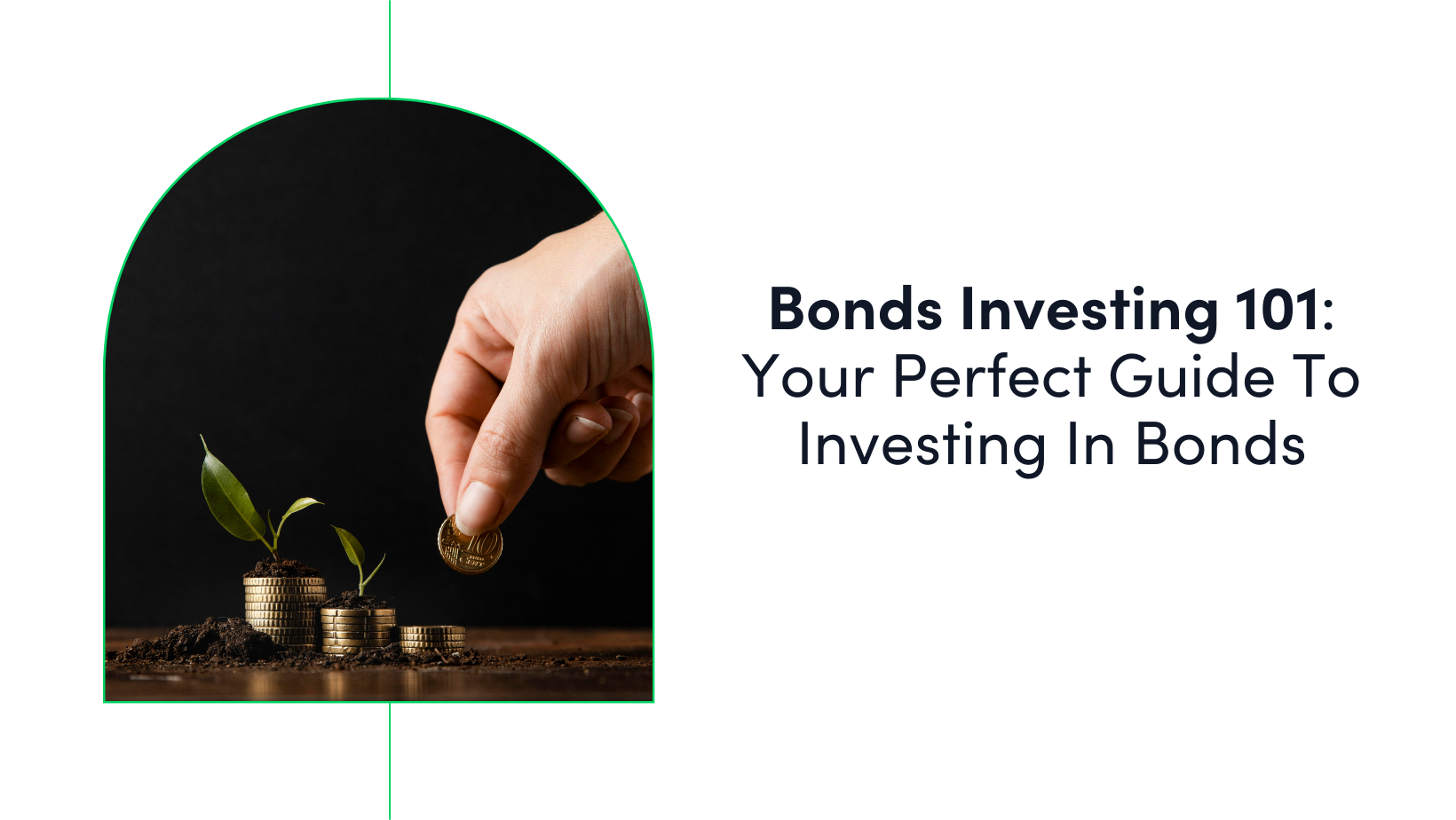
A bond is a financial instrument where you lend money to an entity (like a corporation or government) and, in return, earn a fixed return for the amount you have lent. Bonds are a key component of the fixed-income asset class, offering a predictable income stream and typically lower risk compared to equities.
Key Terminologies in Bond Investments
When exploring bond investments, you will encounter several key terminologies. Understanding these terms is crucial for making informed investment decisions. Let’s dive into these terms using the example of a ten-year Government of India bond, as quoted on the RBI NDS OM Platform, the official platform of RBI for G-sec bond trade and settlement.
Face Value
The face value or par value is the amount of money the bondholder will be repaid upon the bond’s maturity. A newly issued bond typically sells at its face value, though there is no regulation that mandates the face value of any bond.
For example, the face value/par value of a Government Security (G-Sec) in India is Rs. 100. Publicly issued corporate bonds in India generally have a face value of Rs. 1000, while the government bonds have a face value of Rs. 100. In the private placement market, the face value of a corporate bond is usually either Rs 1 lakh or Rs 10 lakhs.
ISIN
ISIN stands for International Securities Identification Number, a 12-digit unique code used to identify specific securities. This ensures each bond issue by an entity is uniquely identifiable, even if the entity has issued multiple bonds.
Coupon Rate
The coupon rate is the interest amount the bondholder will receive until the bond’s maturity. This rate is different from the bond’s yield. For example, a G-Sec with a coupon rate of 5.85% means the bondholder will receive 5.85% of the bond’s face value annually until maturity.
Interest can be paid at various frequencies such as annually or semi-annually. Coupon rates can be fixed, as in the 5.85% G-Sec example, or floating/variable, depending on the terms of the bond.
Price
The bond price is the market price of the bond, which fluctuates based on several factors throughout its life. This price can be different from the face value of the bond. If a bond is trading below its face value, it is said to be trading at a discount. Conversely, if it is trading above its face value, it is trading at a premium.
For instance, if the last traded price of a bond is Rs. 99.1175, which is less than the bond’s par value of Rs. 100, the bond is trading at a discount.
Yield to Maturity (YTM)
Yield to Maturity (YTM) is the total return anticipated on a bond if it is held until it matures. YTM helps investors understand the bond’s profitability relative to its market price.
If YTM > coupon rate, the bond trades at a discount.
If YTM < coupon rate, the bond trades at a premium.
Types of Bonds Available in the Market
The bond market offers a variety of bonds to suit different investment needs and risk profiles. Here are some common types of bonds:
Government Bonds: These are issued by the government and are considered one of the safest investments. Examples include U.S. Treasury bonds and Government of India bonds.
Corporate Bonds: Issued by companies to raise capital, these bonds typically offer higher yields than government bonds but come with higher risk. They can be further categorized into investment-grade and high-yield (junk) bonds based on their credit ratings.
The Importance of Bonds in Your Investment Portfolio
Bonds play a critical role in diversifying an investment portfolio. They offer stability and a steady income stream, which can be particularly appealing during periods of stock market volatility. Bonds also provide a way to preserve capital while earning a return.
Investors looking to grow their wealth should consider bonds for several reasons:
Lower Risk: Compared to stocks, bonds are generally less volatile and offer more predictable returns.
Frequently Asked Questions
What are the key takeaways from this article?
A bond is a financial instrument where you lend money to an entity (like a corporation or government) and, in return, earn a fixed return for the amount you have lent. Bonds are a key component of the fixed-income asset class, offering a predictable income stream and typically lower risk compared to equities.
Who should read this article?
This article is designed for retail investors, first-time bond buyers, and anyone looking to understand fixed income investments in India.
How does this relate to my investment portfolio?
Understanding these concepts helps you make informed decisions about asset allocation and build a diversified investment portfolio.